

Fire Damage?
Don't Take Chances! Call the Top Disaster
Recovery Company in Bedford and get cleaned up FAST!


Why Choose Us?
- Free Estimates
- Available 24/7/365
- 60 Minute Rapid Response
- Fully Licensed And Insured
- We Work With Your Insurance Company
Call Now (817) 769-1730
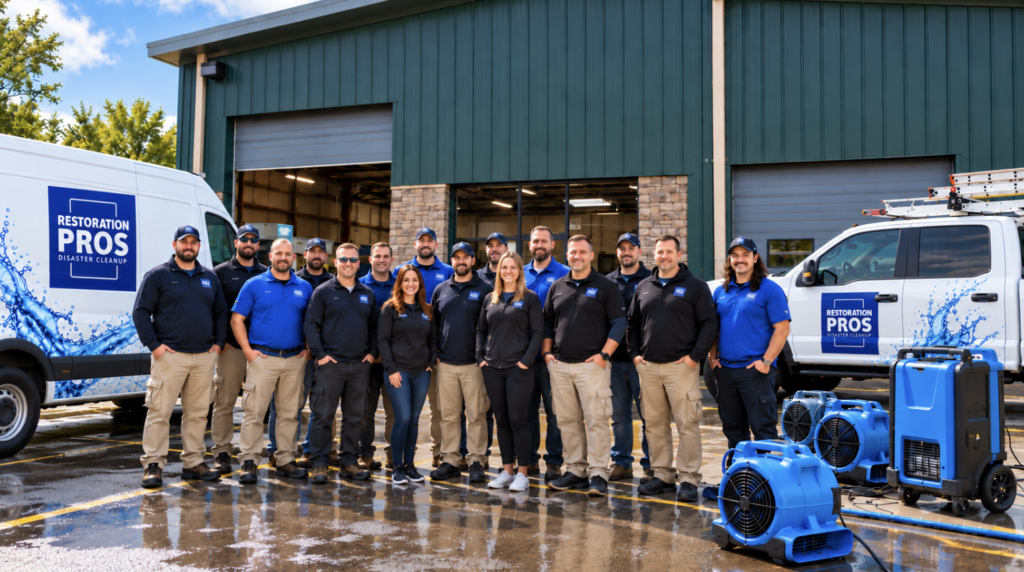
Fire Damage Restoration in Bedford, Texas
A fire can leave more than charred materials behind. Smoke, soot, heat, odor, and firefighting water often affect rooms beyond the point where the flames started. Our team helps secure the property, document the damage, and begin cleanup in a clear order.
We help homeowners, landlords, property managers, and commercial property owners in Bedford. Our technicians inspect the building, protect areas that remain usable, and explain which contents and materials need cleaning, removal, drying, or repair planning.
Our first assessment looks at fire damage, smoke residue, unstable areas, electrical concerns, damaged ceilings, HVAC surfaces, insulation, drywall, flooring, cabinetry, and personal contents. We also check for moisture from firefighting water because hidden water can cause additional damage inside walls, floors, and lower levels.
Need Restoration Help in Bedford? Call (817) 769-1730
Safety and Assessment After a Fire
Do not enter a fire-damaged area until emergency officials have cleared it for entry. After clearance, our IICRC certified techs assess the condition of the structure and document affected areas with photos and written notes. We explain immediate protection steps and keep you informed as the work moves forward.
Open roofs, walls, windows, and doors can expose the property to weather and unauthorized entry. We discuss temporary protection and controlled access before cleanup begins. Contents are separated for cleaning, pack-out, or replacement review so usable items do not get mixed with heavily damaged materials.
Firefighting water can collect in basements, lower levels, wall cavities, and areas below damaged ceilings. We remove standing water, place fans and dehumidifiers, and record moisture readings in affected materials. This documentation helps guide decisions about drywall, flooring, wood, insulation, cabinetry, and contents.
How Fire Cleanup Moves Forward
Fire damage restoration starts with safety and documentation. The crew then addresses water, smoke residue, odors, contents, and repair planning in a controlled order. Separating emergency cleanup from later rebuilding decisions keeps the project easier to follow.
- Assessment: We inspect fire, smoke, soot, odor, water, contents, and access concerns.
- Stabilization: We discuss temporary protection and controlled access for exposed areas.
- Water removal and drying: We remove firefighting water, place drying equipment, and record moisture readings.
- Smoke and soot cleaning: We clean sound surfaces and contents with tools suited to the residue and material.
- Odor control: We identify odor sources and treat affected building materials and contents.
- Repair planning: We explain remaining repair work after cleaning and drying are complete.
Our technicians use HEPA vacuums, air scrubbers, specialty cleaning tools, and odor-control equipment. Smoke residue on drywall, wood, textiles, cabinets, and HVAC surfaces requires different cleaning methods. We evaluate each material and explain the difference between cleaning, removal, and repair.
Fire Cleanup for Homes and Rental Properties
Home fire cleanup may involve kitchens, bedrooms, attics, basements, garages, living areas, and personal contents. Smoke can travel through doorways, wall openings, and HVAC surfaces, so the visible fire area does not always show the full scope of the work. Landlords and property managers also need clear updates about affected rooms, resident access, contents, and repair planning.
Attached homes, townhomes, and multifamily buildings require careful checks around shared walls, utility lines, and nearby units. We document the affected spaces and identify where smoke residue, odor, or firefighting water has crossed into connected areas. The findings help owners coordinate cleaning, monitoring, and later repairs.
Commercial Fire Damage Restoration
Commercial fire cleanup requires planning around occupants, access, equipment placement, work zones, and business interruption. Offices, restaurants, retail properties, warehouses, and industrial buildings may contain inventory, electrical equipment, loading areas, and several tenant spaces.
Our team organizes contents handling and work areas around the building layout. We document affected rooms and equipment, keep unaffected areas separate, and explain how cleaning and drying will proceed. Property managers and business owners receive practical updates so they can plan access and communicate with occupants while the work continues.
Frequently Asked Questions
What should I do after a fire damages my property?
Wait for emergency officials to clear the property before entering, then contact a fire damage restoration team for an assessment. Avoid moving heavily damaged contents until the condition of the building and items has been documented.
Does fire damage restoration include smoke and soot cleanup?
Yes, fire damage restoration includes smoke and soot cleanup. Technicians inspect affected surfaces and contents, then select cleaning methods based on the residue and material.
Can firefighting water cause additional damage?
Yes, firefighting water can damage floors, walls, ceilings, insulation, wood, and contents. The restoration team removes standing water, places drying equipment, and records moisture readings to track affected materials.
Will smoke odor remain after the visible damage is cleaned?
Smoke odor can remain in building materials, contents, and HVAC surfaces after visible soot is removed. Odor control starts with finding the sources and cleaning or treating the affected areas.
Can personal belongings be cleaned after a fire?
Some personal belongings can be cleaned, while others need removal or replacement review. Contents are evaluated by their material, condition, smoke exposure, soot residue, and odor.
Do you provide fire cleanup for rental and multifamily properties?
Yes, we help landlords and property managers with rental and multifamily fire cleanup. The work includes documenting affected spaces, checking shared areas, organizing contents, and explaining access and repair needs.
How is commercial fire cleanup handled?
Commercial fire cleanup is organized around occupants, access, equipment placement, work zones, inventory, and business operations. The team separates affected areas, documents damage, and plans cleaning and drying around the building layout.
What happens during the first fire damage assessment?
The first assessment reviews safety, structural conditions, smoke, soot, odor, firefighting water, contents, and access concerns. The findings guide stabilization, cleaning, drying, contents handling, and repair planning.